

If you’ve ever asked yourself, how does testosterone affect muscle growth, you’re not alone. Whether you’re lifting for strength, aesthetics, or overall health, testosterone plays a major role in how your body builds and maintains muscle. It’s not just about bulking up. Testosterone influences recovery, fat distribution, and even how efficiently your body uses protein.
In this article, we’ll break down the science behind testosterone’s role in muscle development, explore what happens when levels drop, and share practical ways to support healthy testosterone naturally and safely.
What Is Testosterone and Why Does It Matter?
Testosterone is a hormone produced mainly in the testes for men and in smaller amounts in the ovaries and adrenal glands for women. It’s responsible for a range of functions, including:
- Muscle mass and strength
- Bone density
- Fat metabolism
- Red blood cell production
- Mood and energy
In men, testosterone levels typically peak in their early 20s and begin to decline gradually after age 30. This decline can affect physical performance, recovery, and even motivation to train.
Common Myths About Testosterone and Muscle Growth
Let’s clear up a few misconceptions before we dig deeper into the science so you don’t get stuck on misguided myths and common beliefs:
Myth 1: Only bodybuilders need to care about testosterone.
Truth: Anyone who wants to build or maintain muscle, improve recovery, or stay lean can benefit from understanding testosterone.
Myth 2: More testosterone always means more muscle.
Truth: There’s a limit. Extremely high levels, especially from synthetic sources, can lead to health risks. The goal is to stay within a healthy, natural range.
Myth 3: Supplements alone can fix low testosterone.
Truth: Supplements can help, but they work best when combined with good sleep, training, and nutrition.
How Does Testosterone Affect Muscle Growth?
Let’s look at the four main ways testosterone supports muscle development.
- It Boosts Protein Synthesis
Muscle growth starts with protein synthesis. When you lift weights, you create small tears in your muscle fibers. Your body repairs these tears by building new proteins, which leads to stronger, thicker muscles.
Testosterone enhances this process by binding to androgen receptors in muscle cells. This activates genes that increase the rate of protein production. In one study, healthy men who received testosterone saw a 27% increase in muscle protein synthesis.
So, how does testosterone affect muscle growth? In short, it makes your body more efficient at turning protein into muscle.
- It Speeds Up Recovery
Recovery is where the real growth happens. Without proper recovery, your muscles can’t rebuild or adapt to training stress.
Testosterone helps reduce inflammation and muscle damage after workouts. It also supports the activity of satellite cells, which are responsible for repairing and regenerating muscle tissue. Research has shown that testosterone increases both the number and activity of these cells, leading to faster recovery and better long-term gains.
If you’re training hard but constantly sore or fatigued, low testosterone might be slowing your recovery.
- It Improves Strength and Performance
Testosterone doesn’t just help you build muscle, it also helps you use it more effectively.
It enhances neuromuscular function by increasing the number of neurotransmitters that activate muscle contractions. It also improves the firing rate of motor neurons, which means your muscles respond faster and more powerfully during lifts.
In a landmark study conducted in 1996, men who received testosterone therapy gained significantly more strength and lean mass than those who didn’t, even when following the same training program.
This is another clear example of how testosterone affects muscle growth, not just in size, but also in performance.
- It Helps Reduce Fat Mass
Testosterone also plays a role in fat metabolism. It promotes lipolysis (fat breakdown) and reduces lipogenesis (fat storage). Low testosterone levels are often linked to increased body fat, especially around the abdomen.
This combination of more muscle and less fat creates a leaner, more athletic physique.
What Happens When Testosterone Is Low?
If your testosterone levels are below normal, you may notice:
- Slower muscle growth
- Longer recovery times
- Increased body fat\
- Low energy or motivation
- Mood swings or irritability
- Reduced libido
These symptoms can affect your training, your results, and your overall well-being. If you suspect low testosterone, it’s worth getting tested by a healthcare provider.
Testosterone and Aging: What to Expect
As men age, testosterone levels naturally decline. This process is gradual but can become more noticeable by your 40s or 50s. Muscle mass may decrease, recovery may take longer, and fat may accumulate more easily.
While this is a normal part of aging, lifestyle choices can make a big difference. Regular strength training, good sleep, and proper nutrition can help slow the decline and keep your body performing well.
How to Support Healthy Testosterone Levels Naturally
You don’t need injections or prescriptions to support your testosterone. Here are four proven ways to help your body maintain healthy levels.
- Lift Heavy and Lift Smart
Resistance training is one of the most effective ways to boost testosterone. Compound movements like squats, deadlifts, and bench presses are especially effective. One study found that short, intense resistance workouts can cause a temporary spike in testosterone.
Train consistently, focus on progressive overload, and allow time for recovery.
- Prioritize Sleep
Testosterone production peaks during deep sleep. Poor sleep can lower your levels significantly. In one study, men who slept only five hours per night for one week had a 10–15% drop in testosterone.
Aim for 7 to 9 hours of quality sleep each night. Your muscles and hormones will thank you!
- Manage Stress
Chronic stress increases cortisol, a hormone that suppresses testosterone. High cortisol levels can interfere with muscle growth and recovery.
Incorporate stress-reducing habits like walking, meditation, or simply taking breaks from screens and work. Even 10 minutes of quiet time can help.
- Eat for Hormonal Health
Your diet plays a big role in hormone production. Include:
- Healthy fats (avocados, nuts, olive oil)
- Lean proteins (chicken, fish, eggs)
- Zinc-rich foods (beef, pumpkin seeds)
- Vitamin D (sunlight, fortified foods, or supplements)
Zinc deficiency, in particular, has been linked to low testosterone.
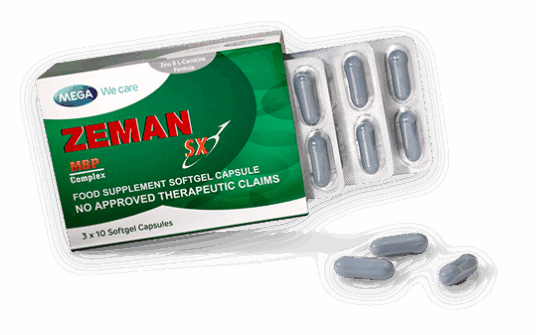
Supplement Spotlight: Zeman SX
If you’re already training hard, eating well, and sleeping enough but still want extra support, a supplement like Zeman SX may help.
Zeman SX is a testosterone support supplement designed to help maintain healthy levels. It contains a blend of natural ingredients that support hormonal balance, energy, and muscle performance.
Supplements aren’t magic, but they can be a helpful part of a well-rounded routine especially for those dealing with age-related declines or high physical stress.
Final Thoughts
So, how does testosterone affect muscle growth? It supports protein synthesis, speeds up recovery, improves strength, and helps reduce fat mass. These effects make testosterone a key player in building and maintaining muscle.
If you’re serious about your fitness goals, it’s worth paying attention to your testosterone levels. With smart training, proper rest, a balanced diet, and possibly a supplement like Zeman, you can support your body’s natural hormone production and get the most out of your workouts.
Disclaimer: This article is for informational purposes only. It is not medical advice. Always consult a healthcare professional before starting any supplement or training program.
References
Sheffield-Moore, M., Urban, R. J., Wolf, S. E., Jiang, J., Catlin, D. H., Herndon, D. N., Wolfe, R. R., & Ferrando, A. A. (1999). Short-term oxandrolone administration stimulates net muscle protein synthesis in young men. The Journal of Clinical Endocrinology and Metabolism, 84(8), 2705–2711. https://doi.org/10.1210/jcem.84.8.5923
Harman, S. M., Metter, E. J., Tobin, J. D., Pearson, J., & Blackman, M. R. (2001). Longitudinal effects of aging on serum total and free testosterone levels in healthy men. The Journal of Clinical Endocrinology & Metabolism, 86(2), 724–731. https://doi.org/10.1210/jcem.86.2.7219
Bhasin, S., Storer, T. W., Berman, N., Callegari, C., Clevenger, B., Phillips, J., Bunnell, T. J., Tricker, R., Shirazi, A., & Casaburi, R. (1996). The effects of supraphysiologic doses of testosterone on muscle size and strength in normal men. The New England Journal of Medicine, 335(1), 1–7. https://doi.org/10.1056/NEJM199607043350101
Saad, F., Gooren, L. J., Haider, A., & Yassin, A. (2008). A dose-response study of testosterone on sexual dysfunction and features of the metabolic syndrome using testosterone gel and parenteral testosterone undecanoate. Journal of Andrology, 29(1), 102–105. https://doi.org/10.2164/jandrol.107.002774
Zeman Sx is a softgel food supplement designed to help maintain healthy testosterone levels and support male vitality with a blend of well-known, research-backed nutrients. Healthy testosterone levels can help men stay energized, support immune function, promote restful sleep, and aid in recovery, making it ideal for maintaining an active and demanding lifestyle.
Mega Lifesciences Limited Inc. or Mega We Care, is actively involved in helping millions of people have access to safe, effective, world-class quality nutritional & herbal supplements, OTC, and ethical products.